Electronics
Hardware
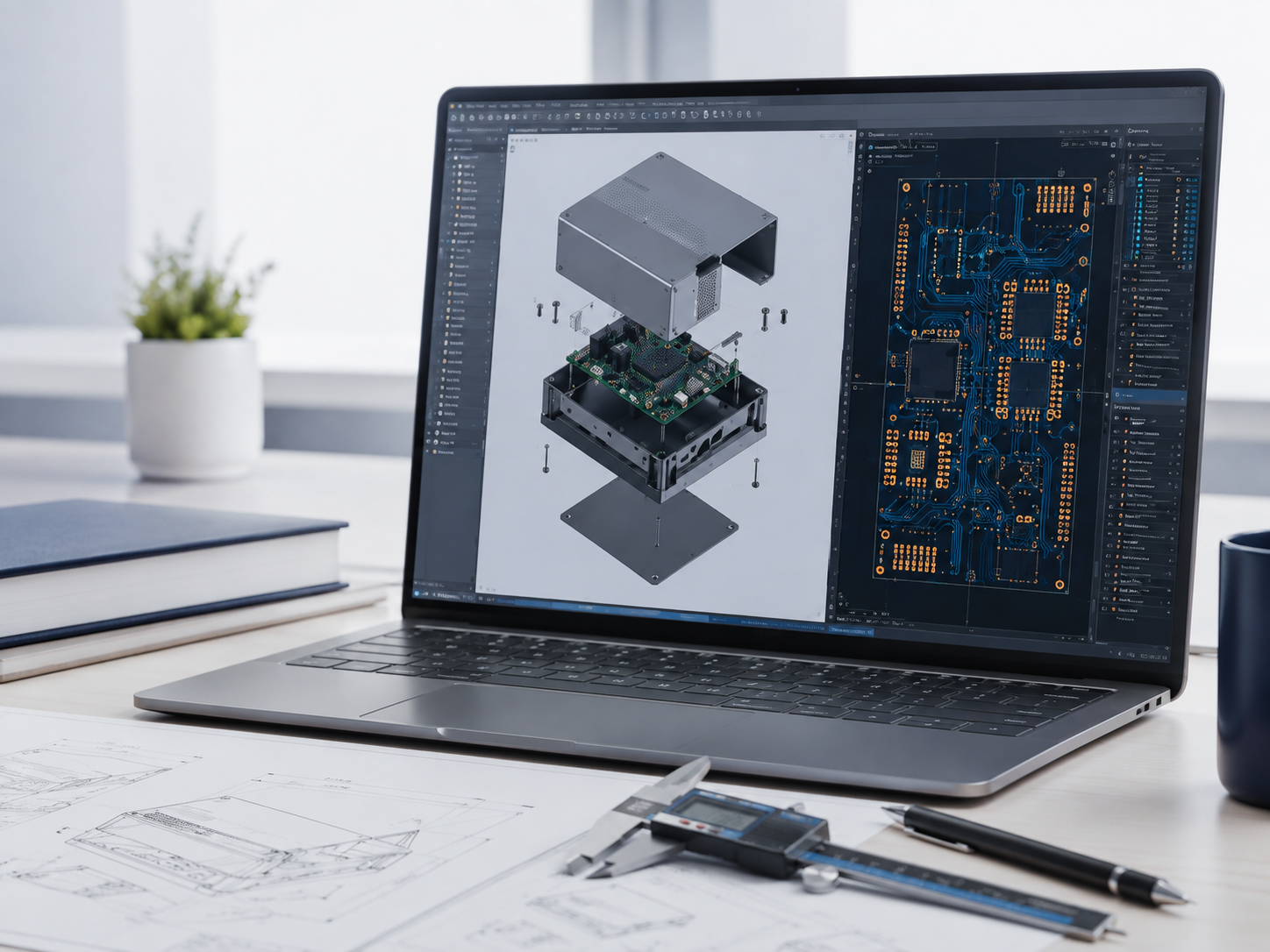
Electronic architecture, interfaces and components suited to the required function and environment.
UTA develops practical products and embedded solutions by bringing hardware, firmware, software and system integration together around the problem that actually needs solving.
Development can support a UTA-owned commercial product or a purpose-built technical solution for a customer with a specific operational requirement.

Embedded products rarely consist of one component. The technical elements must work together as one system around the operating environment, user need and intended outcome.
Electronic architecture, interfaces and components suited to the required function and environment.
Embedded logic controlling behaviour, communication, sensing and system response.
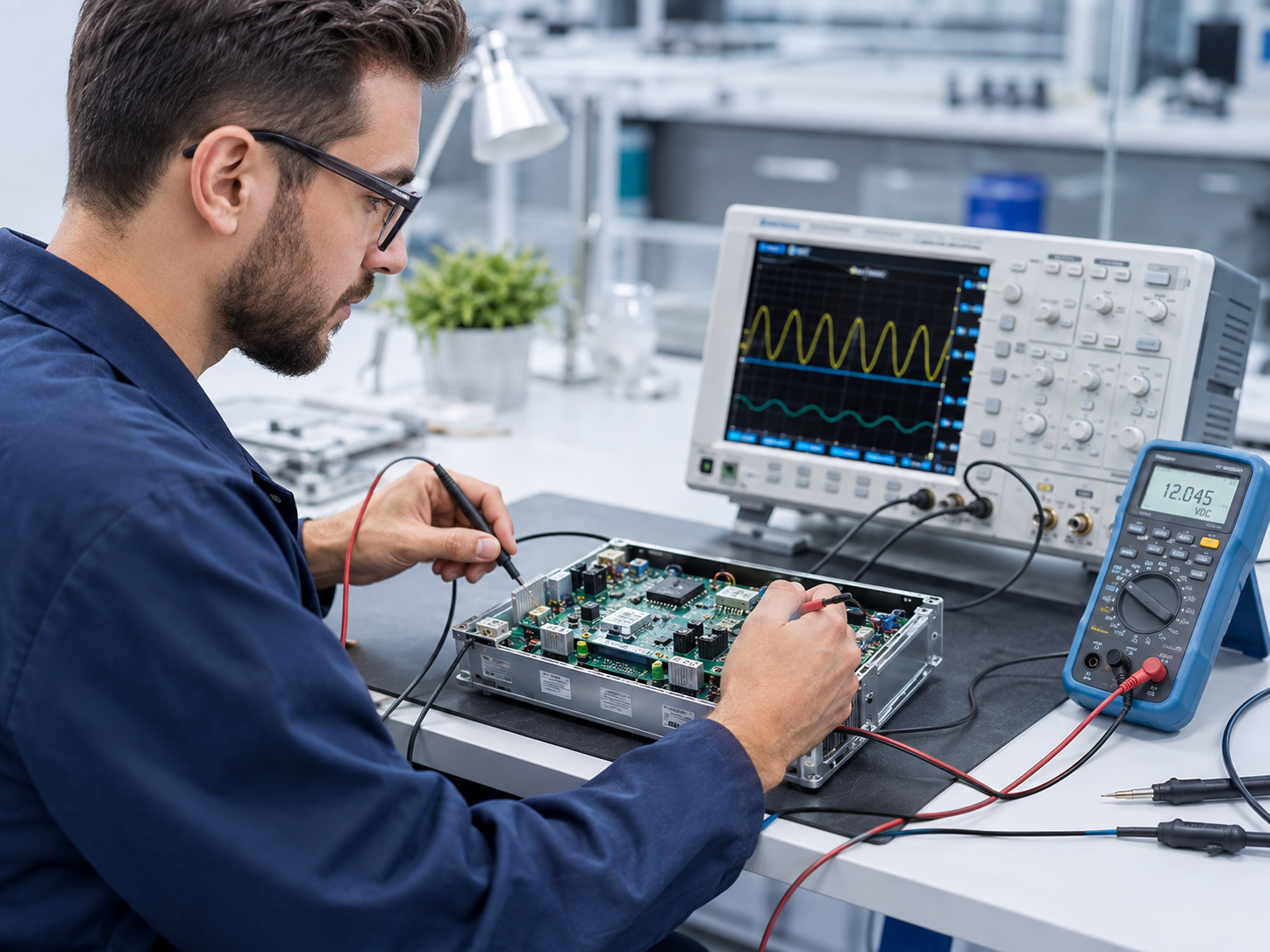
Setup, commissioning and diagnostic tools where the application requires them.
Supporting backend, frontend, data or user-facing software where required.
Bringing the technical elements together into one practical working architecture.
The objective is not technology for its own sake. It is a solution that can be built, evaluated, refined and ultimately put to practical use.
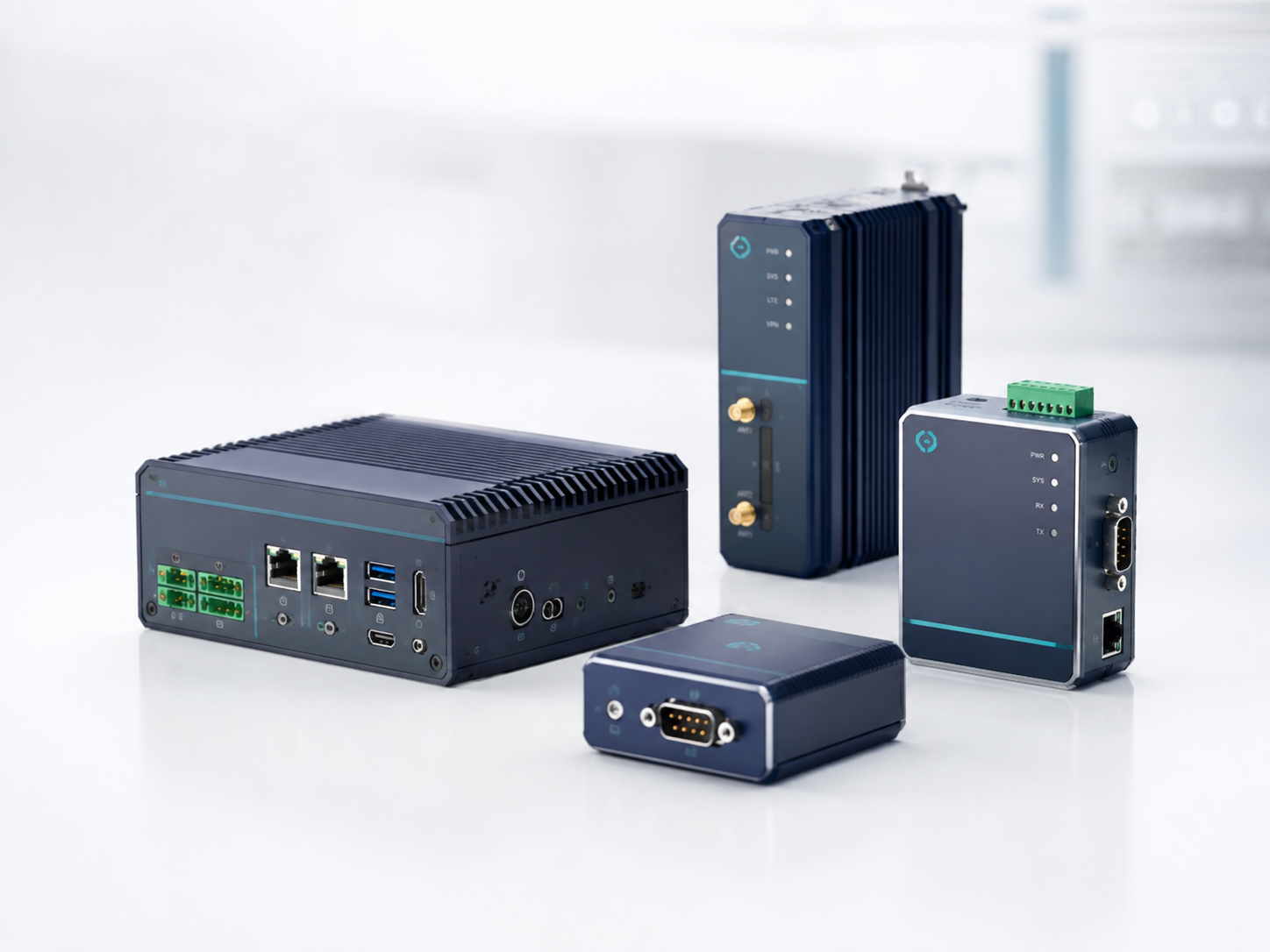
The same technical capability can support UTA's own commercial products or solve a defined technical problem for another business.
UTA can identify a practical market requirement and develop a product or solution that becomes part of the UTA product portfolio.
Where an existing solution does not adequately address the requirement, UTA can develop a specific product, component or technical system around the customer's operational need.
Development begins with the problem rather than the technology. The technical approach follows once the requirement is properly understood.
Understand the need, environment, user, constraints and intended outcome.
Determine the hardware, firmware, software and interfaces required.
Build and integrate the technical elements of the solution.
Move the development into working physical or functional form.
Test the solution against the requirement and improve where necessary.
Prepare the finished solution for production, deployment or supply.
Not every technical problem requires a custom product. Development becomes valuable when solving the problem creates sufficient operational, technical or commercial benefit.
Available solutions cannot adequately meet the required functionality, environment or operating constraints.
Cost, inefficiency, risk or lost opportunity is significant enough to justify developing a dedicated solution.
A repeatable technical requirement may create value beyond solving one isolated problem.
Hardware, software, communication, configuration or existing systems need to operate together as one solution.
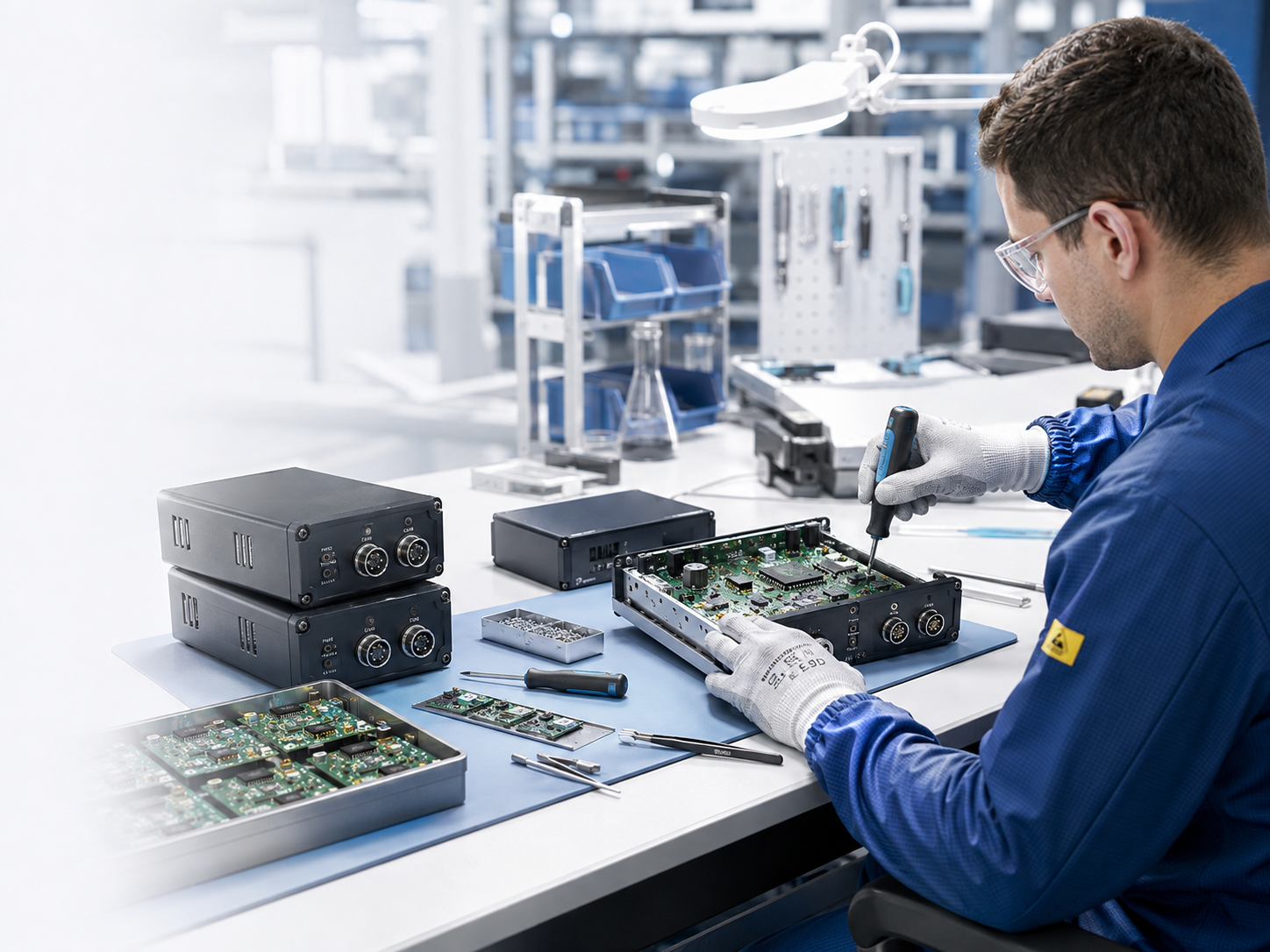
Where appropriate, products developed through UTA can move into specialist manufacturing, assembly and practical production preparation through the manufacturing capability within the business.
Explore ManufacturingTalk to UTA about the requirement before deciding what technology or implementation approach is needed.